
Broccoli
Highlighted in French seasonal coverage for vitamin C, and it freezes well after a short blanch. Steaming keeps the florets intact; roasting gives the edges a nutty finish.
14 Rue de la Paix, 75002 Paris, France
Monday to Friday, 9:00 AM – 6:00 PM
Everyday Food Library
This is a browsable list of familiar foods, each with short notes on when it's in season, how it's usually prepared, and which nutrients it commonly provides. It's meant to be checked quickly while you're shopping or planning, not read end to end.
How it is grouped
Items sit in seven everyday groups. Each note stays inside what the food itself can reasonably be said to offer, so you can read an entry, decide, and move on.
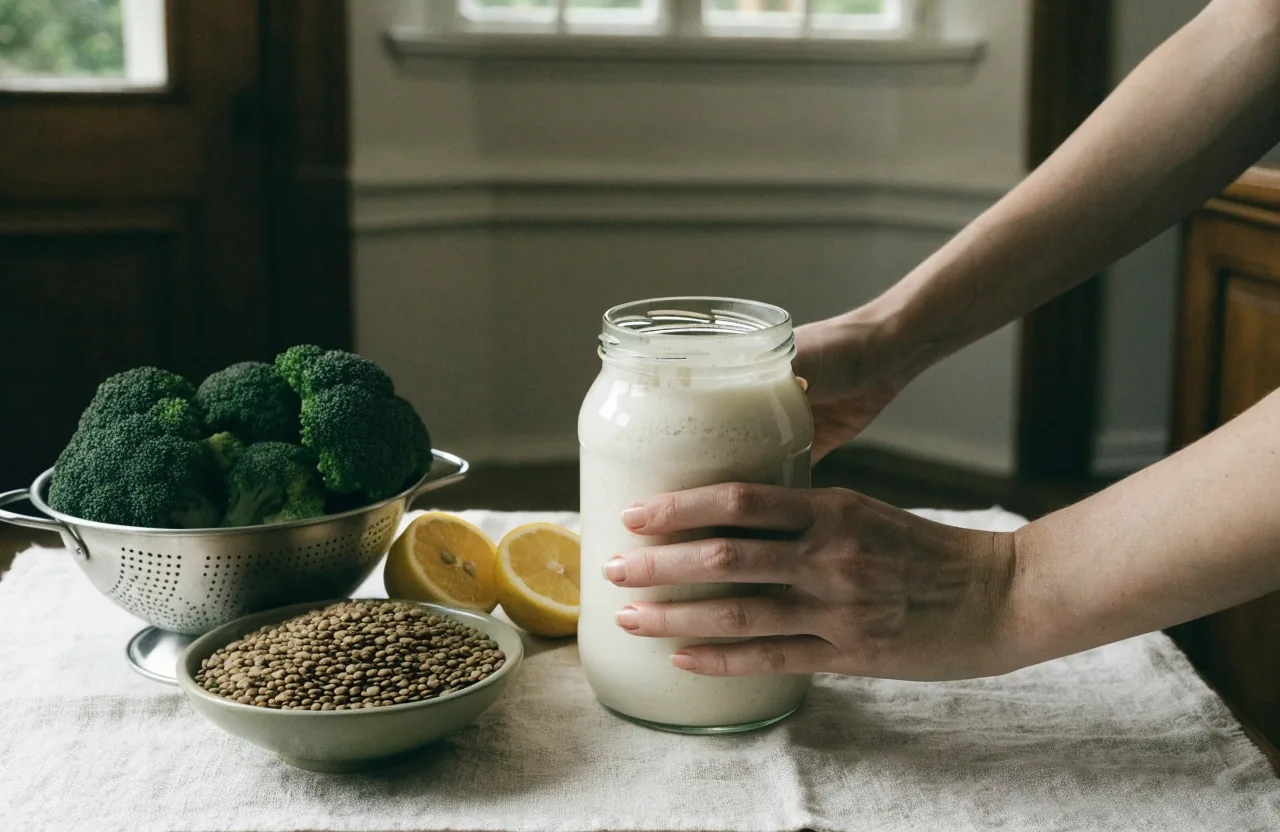
Lentils appear in French immune-food guides as a useful everyday food, often grouped with beans and chickpeas as plant sources of iron and zinc. They're the kind of item you can buy in bulk without worrying about waste, and a single 500 g bag of dried green lentils covers roughly six generous servings. Tinned versions cost more per gram but skip the soaking, which matters more on a weeknight than any nutrient difference between the two.
Lentil salad with lemon or vinaigrette is the simplest way to pair plant iron with vitamin C. The pairing matters because the body absorbs plant iron more readily alongside a source of vitamin C in the same meal; a squeeze of lemon at the end of cooking is often enough. Vinegar-based dressings work too, and so does chopped parsley or a few wedges of orange.
Lentils
Green and brown lentils hold their shape in salads and soups; red lentils break down and thicken a stew. Rinse dried lentils until the water runs clear, then simmer without salt until tender.
Beans
White beans, kidney beans and flageolets all work in the same slots. Tinned beans just need a rinse; dried beans need an overnight soak and a long, slow simmer.
Chickpeas
Roast them for a snack, blend them into a spread, or add them to a salad. Tinned chickpeas are the fastest way in and the aquafaba left in the tin can be whipped.
Storage
Dried legumes in a sealed jar hold for months at room temperature. Keep them away from the light; old beans simply take longer to soften.
The nutrient mentions are only one part of the picture. If you want the reasoning behind plant iron, zinc and vitamin C and how they sit next to each other in a day of eating, the nutrient basics page walks through each one in turn.
Read nutrient basicsChapter two
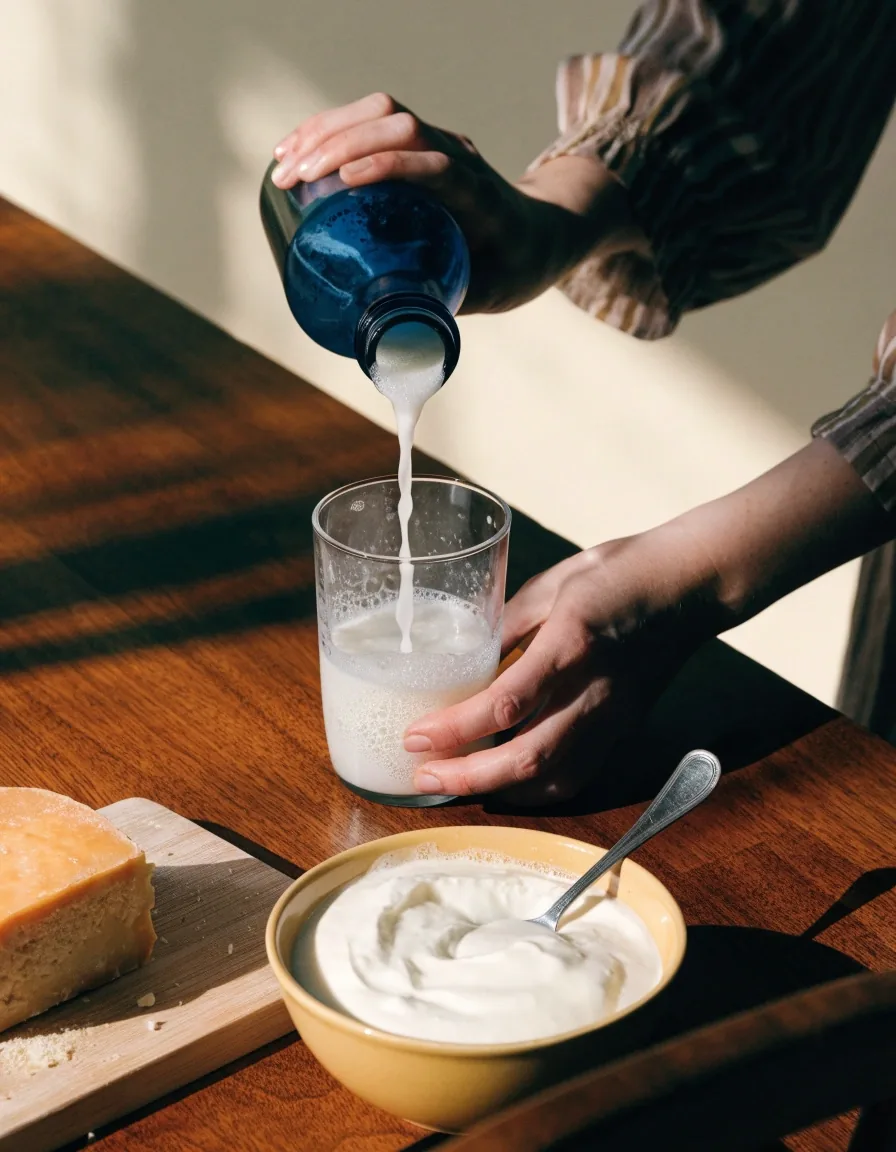
Yogurt is the baseline. It commonly contains Streptococcus thermophilus and Lactobacillus delbrueckii, cultures required by regulation in all yogurts. Milk kefir is the drinkable alternative, and aged cheese belongs to the same broad category. All three are everyday French items rather than specialty purchases, which makes this the easiest category to start with.
Chapter three
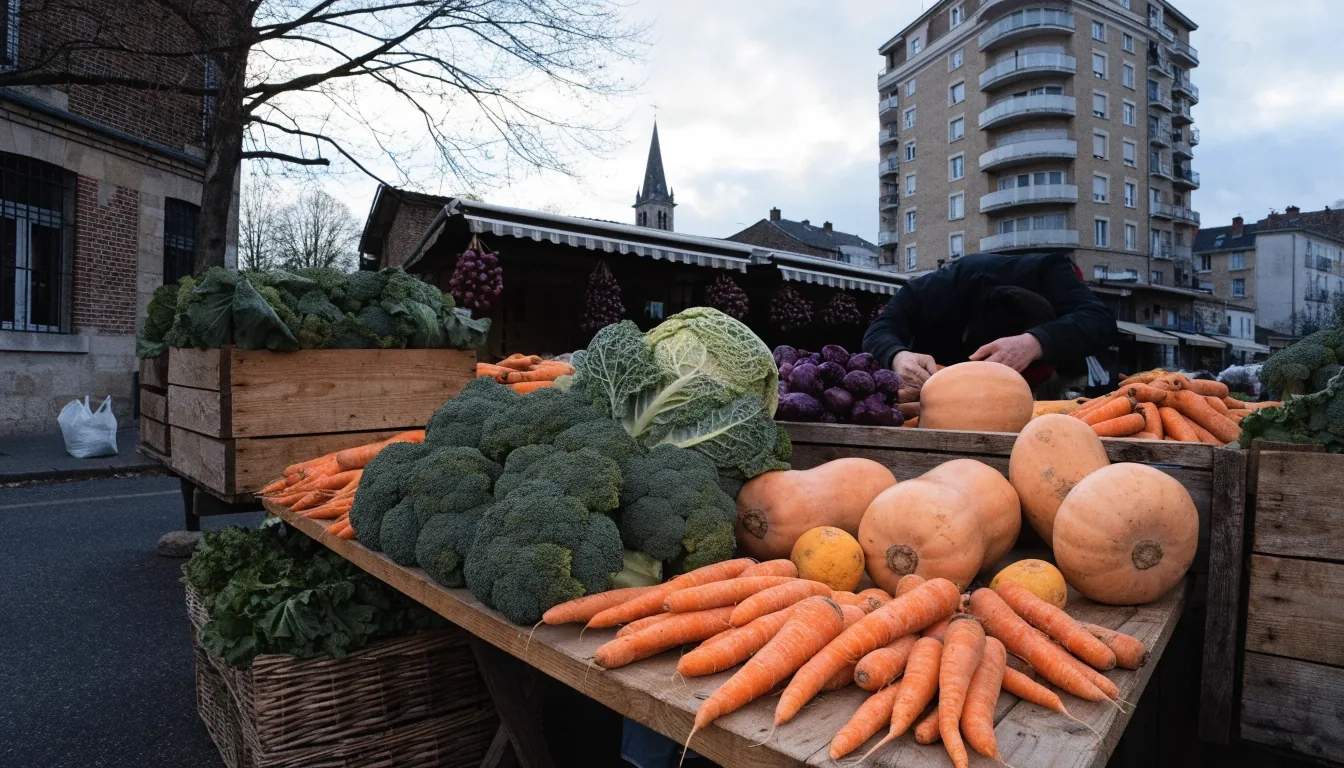
Broccoli, cabbage, squash, carrots and leafy greens carry the cold months. These are the items worth buying in quantity when they're cheap, and the ones that hold best when the market thins out.
Highlighted in French seasonal coverage for vitamin C, and it freezes well after a short blanch. Steaming keeps the florets intact; roasting gives the edges a nutty finish.
The raw material for sauerkraut, and a workhorse in soups and braises. A whole savoy keeps for two weeks in the bottom of the fridge and cost per portion stays low.
Stores for weeks without refrigeration. Cut it into wedges, roast with olive oil and thyme, and use the leftovers in a soup or a grain bowl the next day.
Carrots keep for weeks in a cool dark place. Leafy greens last days, not weeks, so buy them in the size you'll actually cook through.
Chapter four
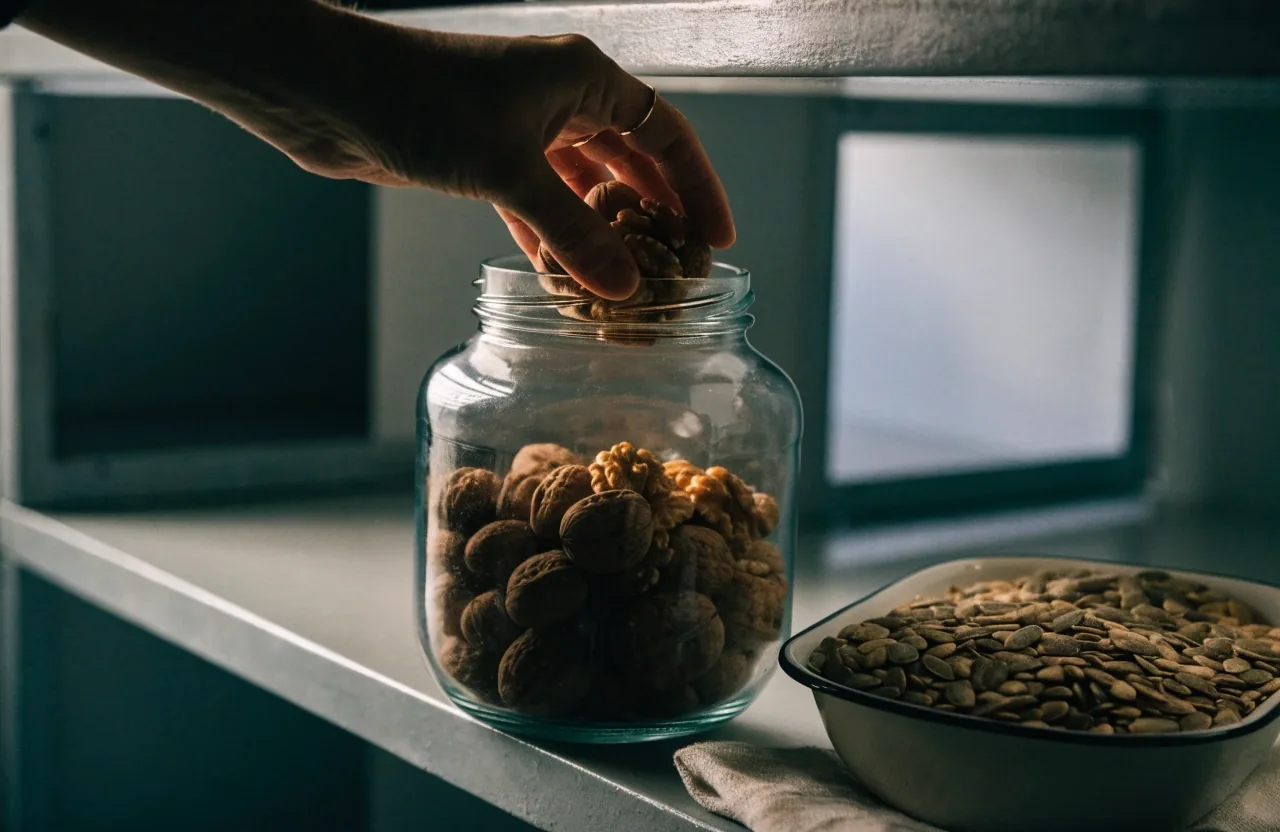
Nuts and seeds appear in most French food roundups for their nutrient profile, and they cover zinc, plant iron and fibre at once. A handful is the standard portion. They keep for months in a sealed jar, and they're easy to add to breakfast, salads or yogurt without cooking.
Walnuts, almonds and hazelnuts are the French pantry standard. Pumpkin, sunflower and sesame seeds take up less space and sprinkle over anything.
Stir a spoonful into morning yogurt, scatter over a salad, or toast them briefly in a dry pan to bring out the flavor before they go in.
Buy unsalted and unroasted where you can; you keep control of the seasoning and they hold their texture longer. A jar left open near the hob goes stale in a couple of weeks, so keep the lid on.
Chapter five
Oily fish sits in the seasonal lists alongside vegetables. It's a food-side source of vitamin D and is commonly suggested once or twice a week in mainstream French coverage. Tinned versions are practical and shelf-stable, which makes them a reasonable pantry item even if you don't cook fish often.
Sardines, mackerel and salmon are the usual names. A tin of sardines on toast with lemon is a two-minute meal, and mackerel fillets hold up under a grill or in a warm salad with potatoes and mustard dressing.
Chapter six
Miso appears in French probiotic-food roundups as a pantry ingredient rather than a standalone snack, and tempeh follows a similar logic as a cooking component. Both are fermented, both are used in small quantities, and both are increasingly available outside specialty shops.
In the jar
A spoonful dissolved into hot water makes a quick broth. Away from soup, it also works as a seasoning for roasted vegetables, salad dressings and marinades.
On the pan
A firm, sliceable block. Cut it thin, fry it in a little oil until the edges brown, and treat it as you would a piece of meat in a stir-fry or a sandwich.
Where to look
Miso keeps for months in the fridge. Tempeh is fresh and short-dated, so buy it close to when you plan to cook it, not weeks ahead.
Both are pantry items rather than daily staples, and both reward a light hand. If you want the process behind them, from the culturing step to how they end up on a shelf, the fermented foods page goes through it in more depth.
Chapter seven
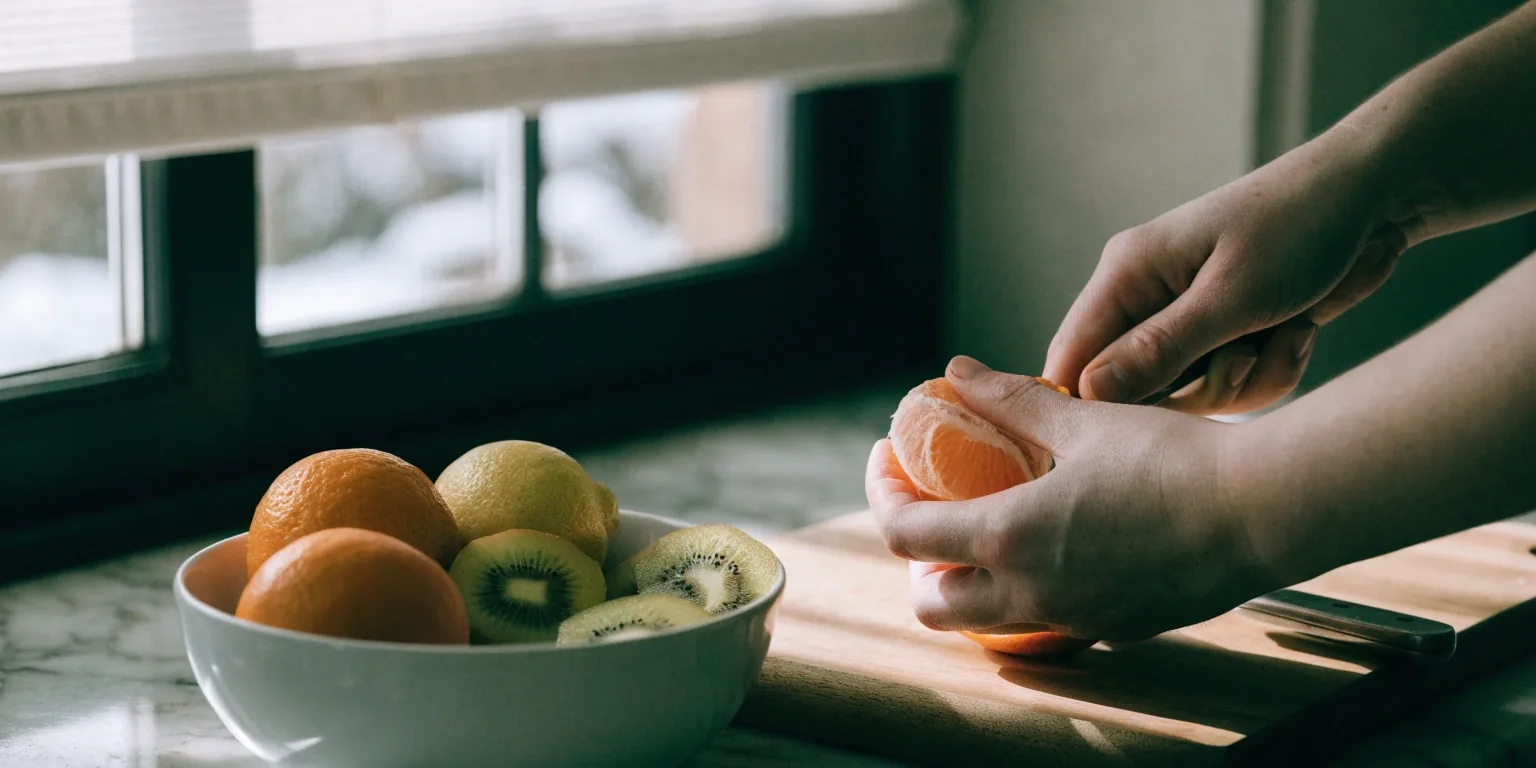
Citrus is the winter fruit category in France, and it's the least complicated source of vitamin C when vegetable variety drops. Clementines, oranges and lemons are cheap from late autumn. Kiwi is the other fruit that comes up regularly in French food writing.
A clementine or a kiwi is a snack with no preparation at all. That alone earns the category its place when the fresh-vegetable shelf thins.
Squeeze lemon over lentils, beans or greens. Segment orange over a fennel salad, or use kiwi in a plain yogurt bowl with seeds on top.
Closing
Pick the category you're actually shopping for, check the preparation note, and move on. If you want the reasoning behind the nutrient mentions, the nutrient basics page explains each one. If you want a weekly plan rather than individual items, the seasonal guide is the better starting point.
Weekly plan
See the seasonal guide
A week-by-week view of what's worth buying and cooking while each item is at its best.
The reasoning
Read nutrient basics
Plain explanations of vitamin C, plant iron, zinc and vitamin D, and where each one commonly turns up.
The process
Explore fermented foods
How yogurt, kefir, sauerkraut and miso are cultured, and what to look for when you buy them.
Questions
Contact the guide
14 Rue de la Paix, 75002 Paris. Monday to Friday, 9:00 AM to 6:00 PM.
This library describes foods and how they are commonly used. It is not medical advice, and nothing here is intended to diagnose or treat a health condition. If you have a specific concern, speak to a qualified professional.