
About this guide
Who writes this food guide
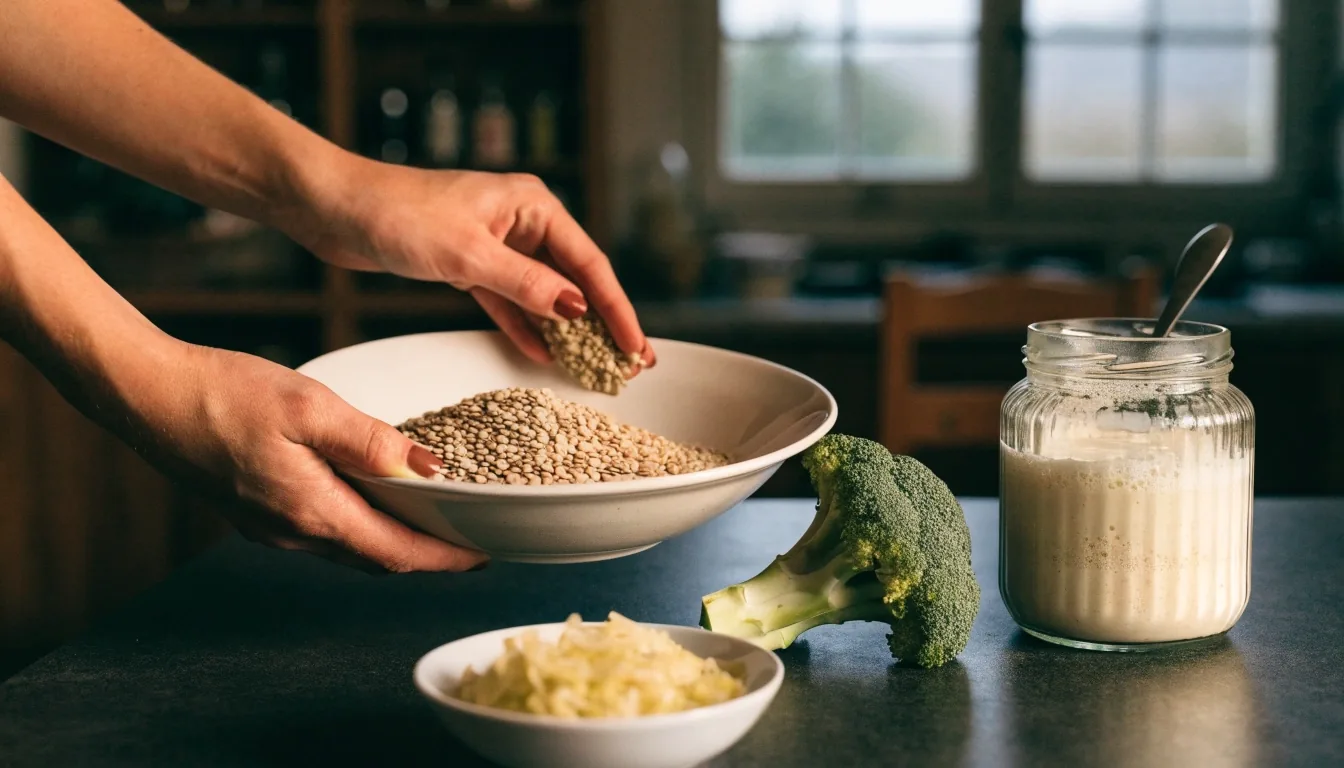
Skin Cleanse Rapid is an editorial food guide for readers in France. We write about everyday ingredients and nutrients that come up in conversations about daily immune support, and we stay on what people can actually cook and buy.
What this site is
A food guide, not a shop and not a clinic.
The pages here cover seasonal eating, nutrient basics, fermented foods, a browsable library of everyday ingredients and a comparison of how zinc and vitamin C products are labelled on French shelves. Everything is written for people cooking at home and shopping in ordinary shops.
Nothing on the site diagnoses, treats or prevents anything, and none of it replaces advice from a healthcare professional. When a subject genuinely needs medical input, the page says so and points you somewhere more appropriate rather than filling the gap.
- Seasonal eating — what is in the markets and the shops across the French year.
- Nutrient basics — plain explanations of zinc, vitamin C, vitamin D and iron.
- Fermented foods — yogurt, kefir, miso, sauerkraut and how they are made.
- Product labels — how to read zinc and vitamin C products next to each other.
Where the material comes from
We work from published sources, not from our own studio.
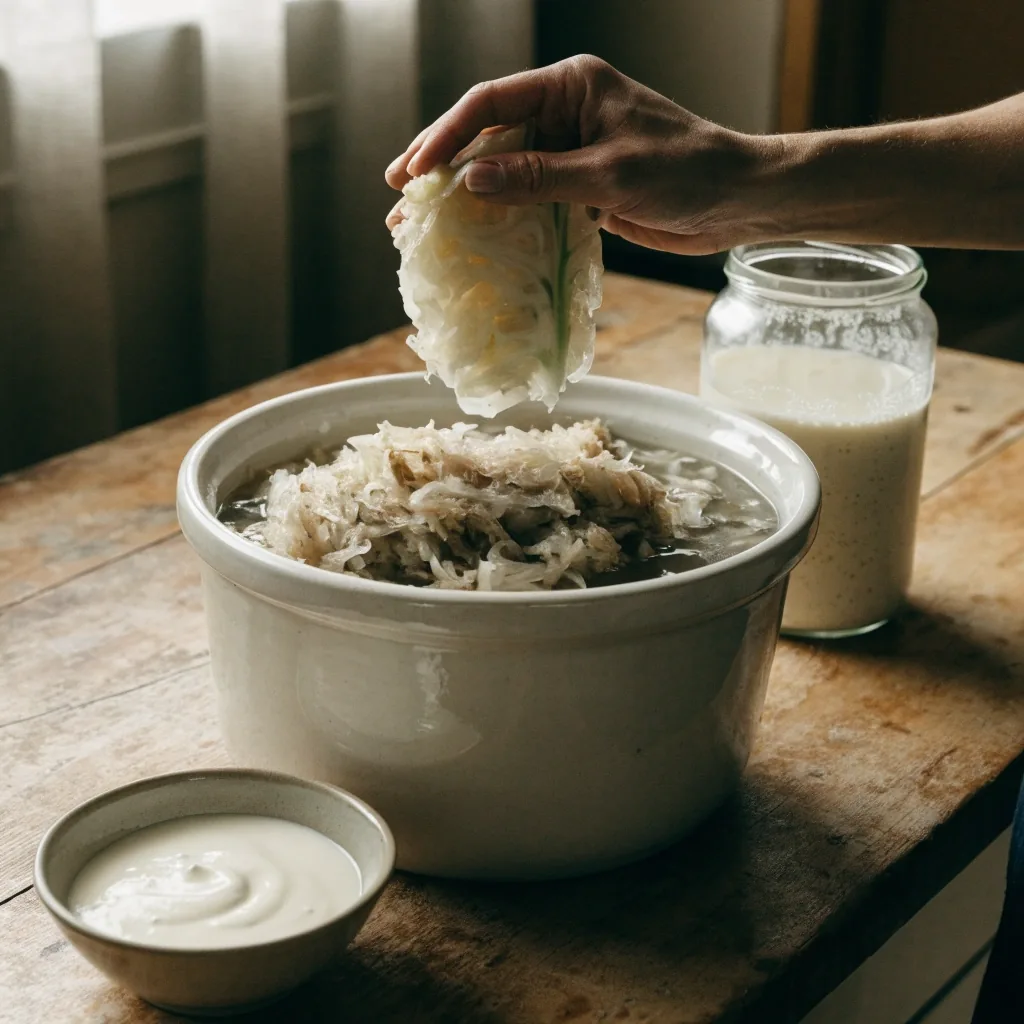
Our sourcing set is small and stated plainly. We read French-language food coverage, brand material where it states factual information, and reference pages that explain ingredients. When a page names something specific — broccoli in the seasonal lists, the cultures required in yogurt, how a zinc supplement is labelled — that detail comes from the published material rather than from us.
We do not run original studies and we do not present ourselves as a source of new research. That is not our job. Our job is to gather what is already published, explain it clearly, and make it easy to check.
Used for
Seasonal lists, cooking context and what is actually on shelves in France.
Used for
Ingredient descriptions, vitamin and mineral explanations, and label wording.
How updates work
Revised in place, whenever the material changes.
Pages get revised when the underlying material changes or when a reader points out something that is wrong or unclear. Updates are made to the page itself rather than announced separately. If you want to know whether something is current, the page is the reference point — there is no separate changelog to cross-check.
Trigger
New published material
When a source we rely on is updated, or a product's labelling changes, the relevant page is rewritten to match.
Trigger
Reader correction
If something is inaccurate, out of date or simply unclear, we correct the page rather than publish an apology note elsewhere.
Where to look
The page itself
Each page carries the current wording. There is no separate revision log for you to reconcile against.
What we avoid
No claims, no guarantees, no transformation stories.
Absolute claims, guarantees and outcome promises do not belong on a food guide, so they are not here. You will not find testimonials, ratings or before-and-after material on this site either. Food is framed as food, not as a cure or a treatment.
What is left out
Sweeping promises, "results" language and any framing that turns a grocery list into a treatment plan.
Social proof
No reviews, star scores, user counts or success stories are published here, because we have no verified records to stand behind.
Where food helps
We describe what an ingredient is, how it is commonly eaten and how it appears on a label — that is the full scope.
When to ask a professional
Vitamin D across a French winter, or a question about iron levels, is a conversation for a doctor or pharmacist, and we say so on the page.
Who this is written for
Readers in France, cooking for themselves.
Every page is written with one reader in mind: someone in France who cooks at home and shops in ordinary shops. That assumption shows up in the details — what is actually on a supermarket shelf, what the seasons look like here, and what is written on a French-language product label.
If you are looking for advice tailored to a clinical situation, this is not the right resource, and we would rather say that plainly than stretch the guide to cover it.
- Shopping
- Ordinary French supermarkets, markets and small grocers. Nothing in the guide depends on a specialty store.
- Seasonality
- The French growing year shapes the seasonal pages, including what disappears from shelves in winter.
- Labels
- French-language packaging is what we quote when we compare zinc and vitamin C products.
- Not covered
- Individual medical situations, prescriptions or anything requiring a diagnosis. Those belong with a qualified professional.
Corrections and suggestions
Tell us when something is wrong.
If something on a page is inaccurate, out of date or unclear, we want to hear about it. Source suggestions are welcome too, particularly French-language material we may not have come across. The contact page carries the details, and the editorial team reads every message sent there.
Skin Cleanse Rapid is published in Paris. You can reach the team Monday to Friday, 9:00 AM to 6:00 PM, at 14 Rue de la Paix, 75002 Paris, by phone on +33 1 42 50 85 80 or by email at [email protected].
How quickly will a correction appear?
There is no fixed turnaround. A correction that changes a factual detail is made as soon as it has been checked against the published material we rely on. Minor wording clarity fixes usually go in alongside the next substantive edit to the page.
Do you take source suggestions from readers?
Yes, and they are genuinely useful. French-language food coverage and reference pages that explain ingredients are the most helpful kind. If a suggestion fits the sourcing set described above, it gets read and often used.
Can you answer a personal nutrition question?
No. We can explain what a nutrient is and where it appears in everyday food, but questions about your own situation, levels or supplements belong with a doctor or pharmacist who knows your history.
Why does the site name a domain that mentions skin?
The address is a legacy of how the project started. The subject of every page is food and everyday nutrients, and that is what you will find here — nothing is published on other topics.