
Skin Cleanse Rapid Skin Cleanse Rapid Food & Nutrient Guide
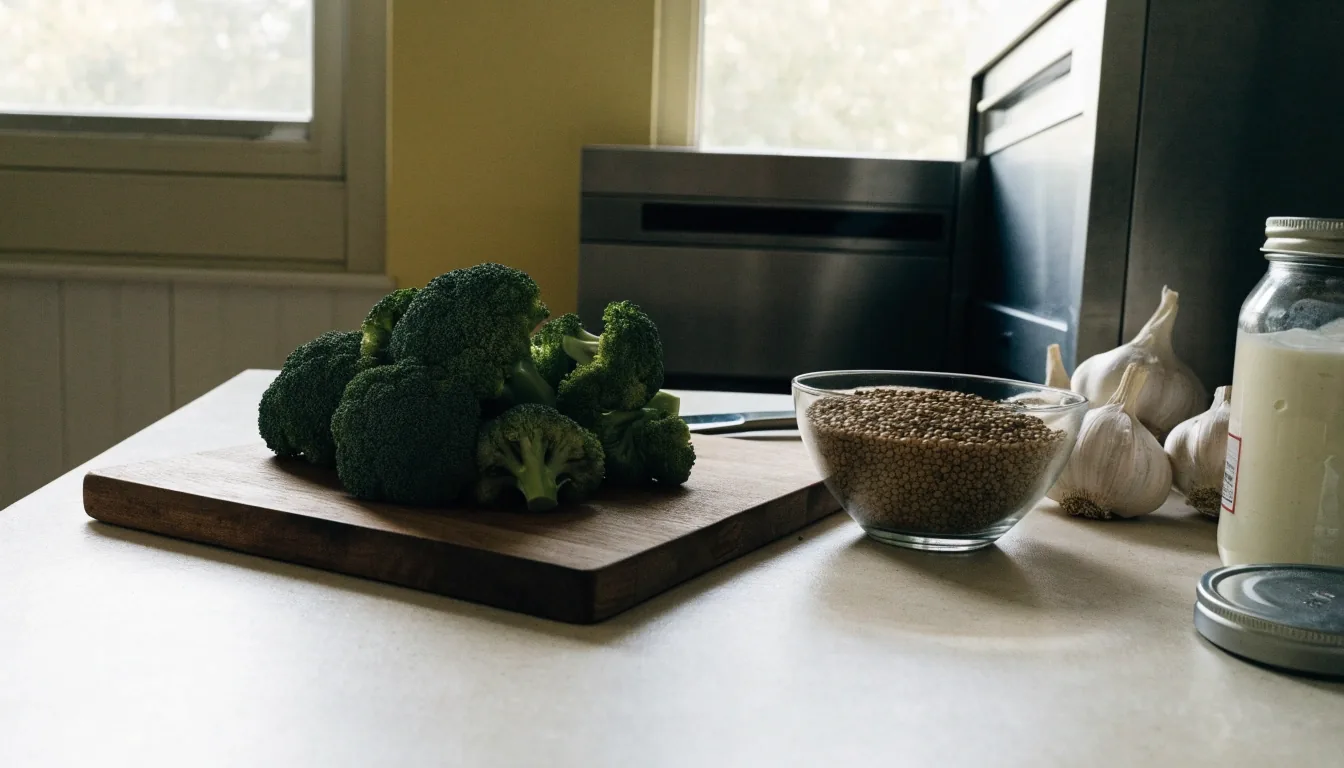
A French home kitchen counter with broccoli, dried lentils, garlic and a jar of plain yogurt after a seasonal shop

Editorial food guide, written in France

Everyday foods commonly linked to immune support

Seasonal lists, pantry staples and fermented basics for readers who shop in ordinary French shops. No medical advice — just what tends to sit in a French kitchen, and what nutrition writers say about it.

How this guide is put together

Sources, updates, and what we leave out

Most people don't need a special diet to eat well through the year. They need to know which ordinary foods keep turning up when nutrition writers talk about immune support, and how to fit them into normal French shopping. This guide gathers that material in one place: seasonal lists, pantry staples, fermented basics, and a plain comparison of how zinc and vitamin C products are labelled. Nothing here is medical advice. It's an editorial food guide for readers who want to cook and shop with a bit more intention.

We write for readers in France who cook at home and shop in ordinary shops. Sources are French-language food coverage, brand material where it's factual, and reference pages that explain ingredients. We update pages when the underlying material changes, and we say so when something is unclear. If you spot an error or want to suggest a source, the contact page is the right place.

Start with what's already on your shelf

Lentils in the cupboard. Yogurt in the fridge. The first useful step isn't a shopping trip.

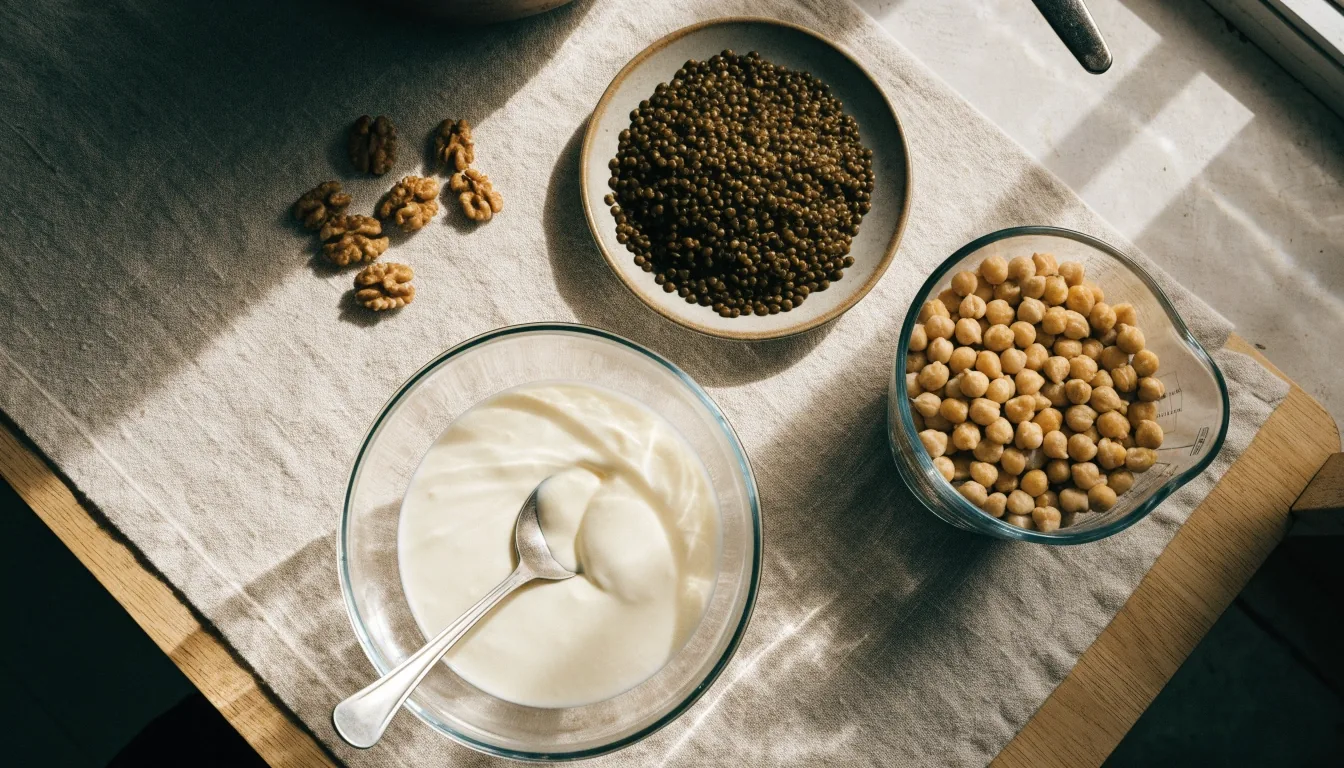
A kitchen table with a bowl of plain yogurt, cooked lentils, walnuts and chickpeas during meal prep

What those familiar items actually carry

You probably already own several of the foods that come up most often in this conversation. Onions, garlic and frozen spinach are usually somewhere nearby. The useful step is noticing which nutrients these familiar items carry — plant iron and zinc from lentils, vitamin C from vegetables and citrus, live cultures from fermented dairy. Our nutrient basics page walks through each of these one at a time, with the everyday foods that tend to contain them.

Plant iron and zinc

Lentils, beans and chickpeas sit in this group — affordable, storable for months, and already present in salads, soups and daal.

Vitamin C from produce

Vegetables and citrus carry it, and broccoli is the example French seasonal writing returns to most often.

Live cultures from fermented dairy

Plain yogurt is the least disruptive starting point. Kefir, sauerkraut, miso and tempeh belong to the same conversation.

Preparation matters

How a food is cooked, heated or pasteurised changes what ends up on the plate — that single fact explains a lot of label confusion.

What French readers reach for when temperatures drop

Autumn coverage in France tends to circle the same short list. Broccoli, squash, nuts and oily fish appear again and again in seasonal food writing, often framed around vitamin C intake and cold-weather cooking. That's not a ranking or a prescription. It's a pattern worth knowing if you plan meals week by week, because it tells you what will be cheap, fresh and easy to find between October and February.

The seasonal food guide collects that material with practical meal notes for each item, so you can judge whether it fits how you actually cook on a Tuesday night.

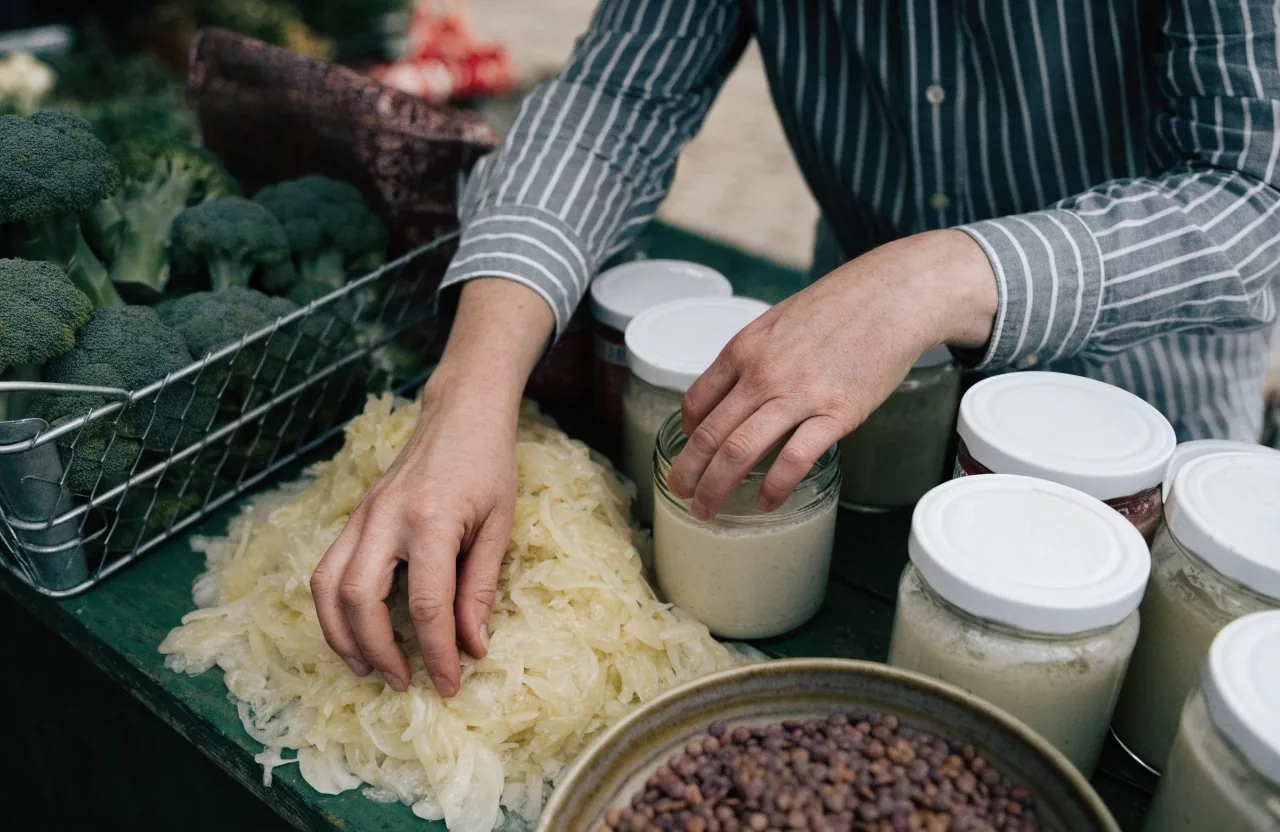
A French market stall in late autumn with broccoli, squash, walnuts and fresh fish

What lands on the stall between October and February sets the week's plan more than any label does.

Two ordinary foods that keep coming back

Neither is magic, and neither belongs on a poster. Both are cheap, widely available in France, and easy to explain — which is why they show up so often in coverage of everyday nutrition.

Vitamin C food

Broccoli keeps coming back for a reason

Editors return to broccoli because it's cheap, available for months, and easy to cook badly or well. It's highlighted in French seasonal coverage for its vitamin C content, which is the sort of detail that matters when you're building a plate rather than reading a label. Roasting, steaming and stir-frying all work. The vegetable also freezes without much damage to texture, which makes it a reasonable backup when the fresh shelf is thin.
Fermented staple

Yogurt is the simplest fermented starting point

If you want to add fermented food to your routine without changing how you cook, yogurt is the least disruptive option. French yogurt commonly contains Streptococcus thermophilus and Lactobacillus delbrueckii, cultures that are required by regulation in all yogurts. That makes it a baseline example rather than a specialty product. Kefir, raw sauerkraut, miso, tempeh, kombucha and kimchi all belong in the same conversation.

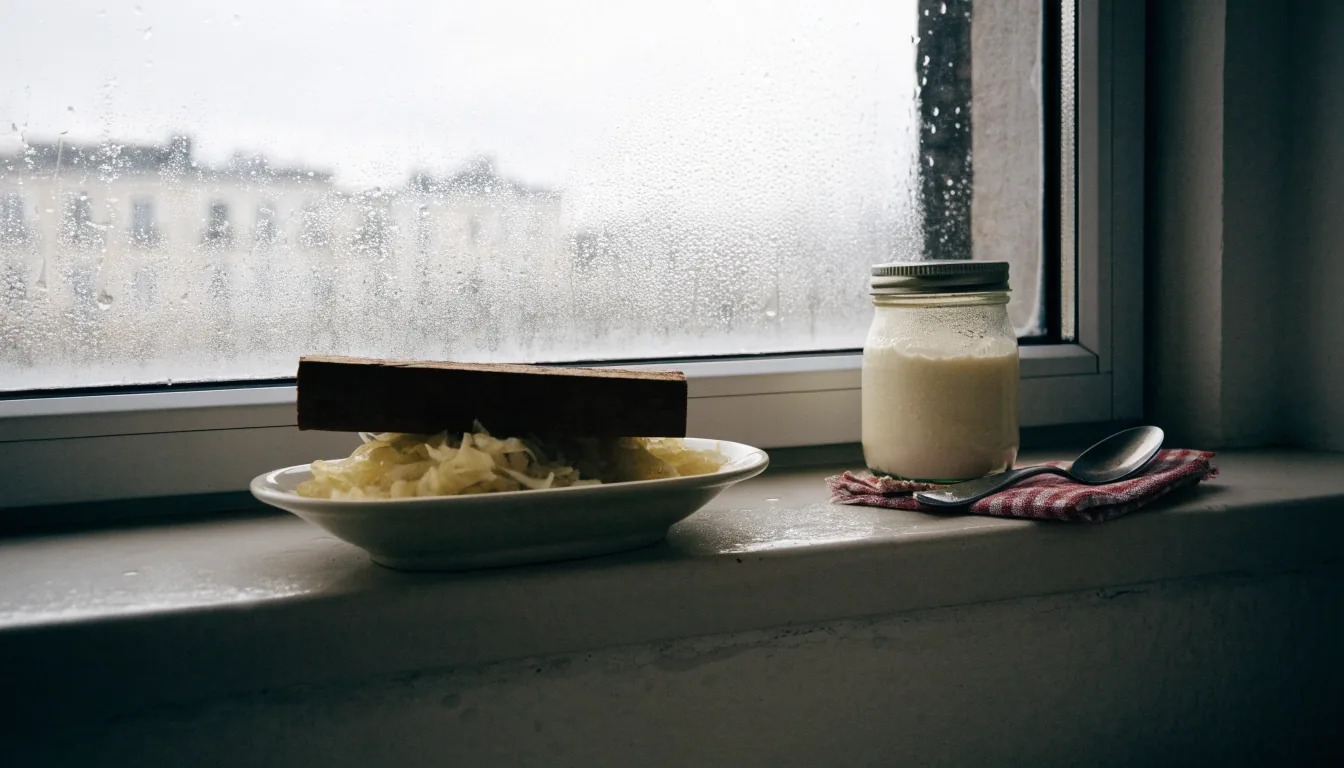
A winter windowsill in a French kitchen with a dish of raw sauerkraut and a jar of kefir

A fermented ingredient isn't automatically a source of live cultures

Pasteurisation, used in many industrial products for shelf stability, removes living microbes from the food. That single fact explains a lot of the confusion readers run into when comparing a jar of raw sauerkraut with a heat-treated version on the next shelf. Miso belongs to the same conversation but is used as a seasoning rather than eaten by the spoon, so a spoonful stirred into soup or a marinade is the normal format.

Comparing products without getting sold to

Walk into any French pharmacy or supermarket and you'll see rows of zinc and vitamin C products, often in combinations, often with similar-looking labels. The category is crowded, and many brand variants compete for the same shelf. Our comparison page is about reading those labels, not recommending one. It looks at what the packaging claims, what the ingredient list actually states, and where food-first options sit relative to supplement formats.

What to look at

Why it matters

Where to read it

  • Ingredient list order

    Shows what the product actually carries, not what the front of the pack suggests.

    Nutrient basics, then the comparison page

  • Combination vs single

    Zinc and vitamin C appear together often; separate formats read differently.

    Comparing everyday products

  • Format and serving

    Tablets, capsules, powders and drinks are not interchangeable day to day.

    Comparing everyday products

  • Food-first options

    Lentils, broccoli, citrus and yogurt often cover the same nutrients in an ordinary meal.

    Everyday food library

Nothing on this site recommends a specific brand or product. If a supplement decision is on your table, a pharmacist or doctor is the right person to ask.

What we don't do

We don't diagnose, treat or prevent anything, and we don't frame food as a cure. Claims here stay within what the food itself can reasonably be said to provide.

No before-and-after stories, no promised outcomes. What stays on the page is a nutrient, a culture, a cooking method, a season. Anything beyond that belongs with a healthcare professional, not an editorial guide.

Questions readers ask first

Four things that come up most often — answered plainly, and without pretending the answer is the same for everyone.

Do I need supplements to support my immune system through the year?

No single answer fits everyone. This guide focuses on food first, because everyday ingredients are the part most readers can act on without professional advice. Supplement decisions are individual, and a pharmacist or doctor is the right person to ask.

Is there one food I should eat every day?

No. The pattern that shows up in French seasonal coverage is variety across the year: vegetables and fruit for vitamin C, legumes and nuts for zinc and iron, fermented dairy and other fermented foods for live cultures. Rotating through them is more realistic than fixing on one item.

Why does the guide keep returning to broccoli and yogurt?

Because both are cheap, widely available in France, and easy to explain. Broccoli is highlighted for vitamin C in seasonal lists; yogurt contains live cultures required by regulation. They're useful teaching examples, not magic ingredients.

Is this site a shop?

No. It's an editorial guide. Product pages, where they exist, are about reading labels and comparing presentations, not about selling anything.

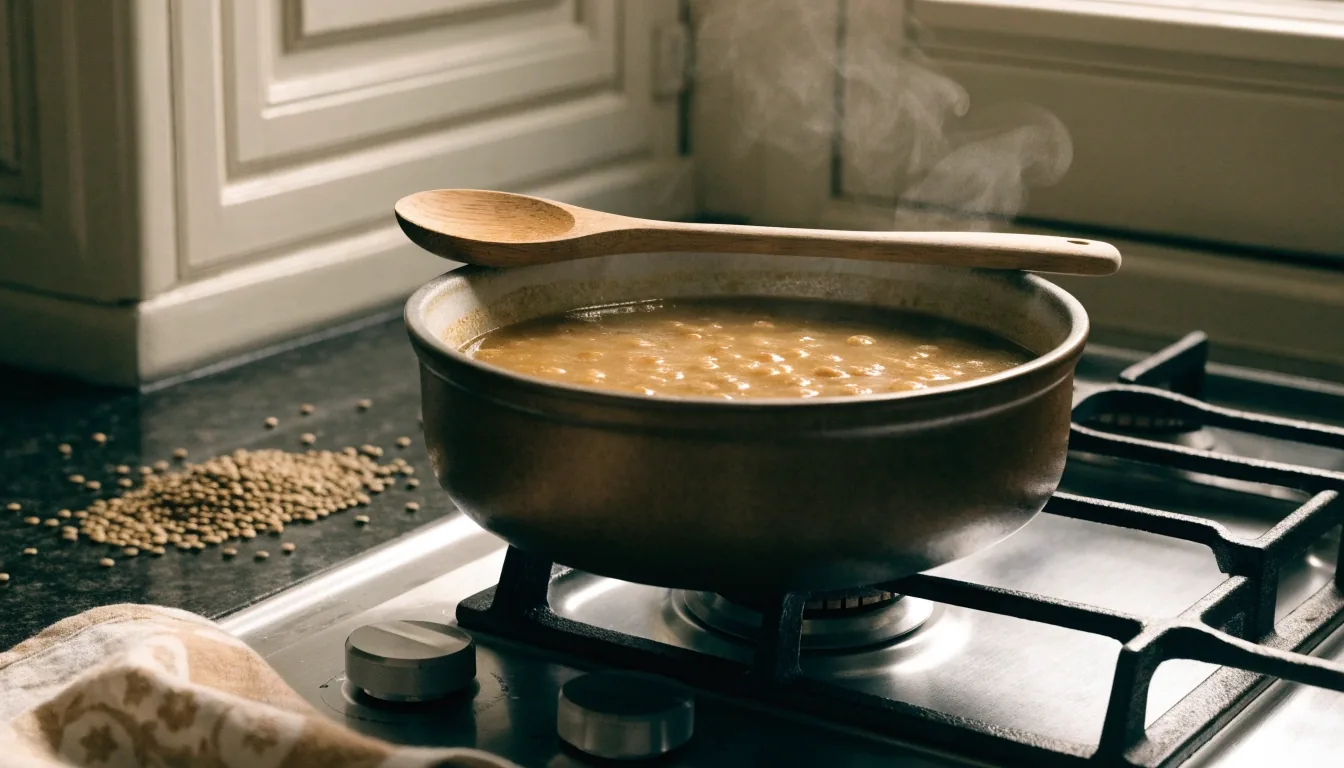
A pot of lentil soup cooling on a French kitchen stove with dried lentils beside it

Lentils do more than fill a plate

Lentils get grouped with beans and chickpeas as plant sources of iron and zinc, which is why they show up in mainstream French food coverage rather than only in wellness writing. They're affordable, they store for months, and they work in dishes people already cook: salads, soups, daal, lentil salad with vinaigrette.

The food library entry gives preparation notes and seasonality, so you can judge whether they fit your week before you commit a shelf to them.

Storage

A dry cupboard keeps them usable for months — the reason they sit in most French pantries without being thought about.

Cooking

Simmered, they work in soup, salad or daal. The 20-minute dishes people already make are the shortest route to using them weekly.

Where they sit in the guide

The food library groups them with beans and chickpeas, and the nutrient basics page explains the iron and zinc side in plain terms.

Browse the food library

Where to go next

If you want a plan, start with the seasonal food guide. If you want the reasoning behind the foods, read nutrient basics. If you're curious about fermentation specifically, that page is self-contained. And if your actual question is what these labels mean, the comparison page is the most direct route.